
If You Can’t Win on Price, What Can You Win On? 7 Ways Singapore E-Commerce Brands Can Stand Out
Key Summary
Singapore e-commerce brands can compete more effectively by giving customers clear reasons to choose their products beyond price. From distinctive product bundles and stronger packaging to niche positioning, memorable branding, and better customer experiences, differentiation helps businesses communicate their value and build customer loyalty. Learn seven practical ways Singapore SMEs can stand out in a crowded online marketplace, strengthen their brand positioning, and explore growth opportunities across Malaysia, Indonesia, Thailand, and the wider ASEAN region.
Introduction
Imagine searching for a tumbler on an e-commerce platform. Hundreds of sellers offer similar designs, capacities, and colours. Some sell for $12, others for $18, and a few charge $35. When products look almost identical, price becomes one of the easiest ways for customers to decide. For Singapore SMEs competing against local and international sellers, this creates a challenge: how can a business attract customers while protecting its profit margins?

The answer starts with understanding what customers value. Some shoppers prioritise affordability, while others consider product quality, design, convenience, personalisation, and the trust they have in a brand. For example, a customer buying a corporate gift may care about presentation and customisation as much as the product itself. Identifying these priorities helps businesses develop offers that appeal to the right audience instead of relying on discounts to attract attention.
For e-commerce businesses, differentiation starts with three questions: What makes your brand different? Why should customers care about that difference? How can you communicate its value clearly? The answers can guide decisions about product design, packaging, photography, marketing, customer experience, and regional expansion. Here are seven practical ways Singapore businesses can turn those answers into a stronger competitive position.
Singapore Brand Case Studies: How Differentiation Creates Value
Case Study 1: Bynd Artisan and the Value of Craftsmanship
Singapore-based Bynd Artisan built its identity around paper goods, leather products, craftsmanship, and personalisation. Its brand experience gives customers more to appreciate than the basic function of a notebook or accessory. According to Singapore Management University’s case study, co-founder Winnie Chan reported that corporate customers preferred the brand’s products even when they cost 20% to 30% more than comparable OEM or trader products. Customers valued the brand enough to request it by name for corporate gifts. This demonstrates how craftsmanship, personalisation, and brand recognition can influence purchasing decisions even when lower-priced alternatives are available.
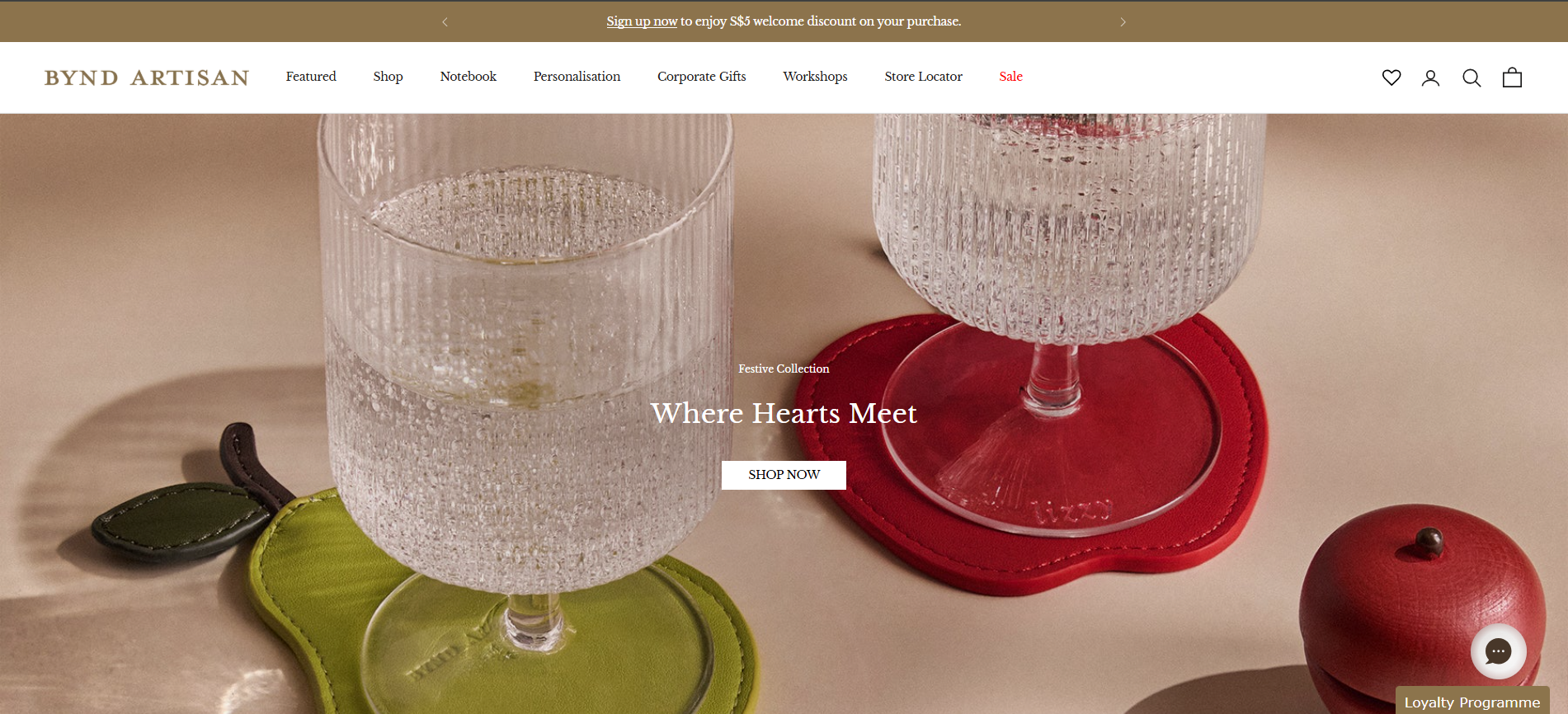
The lesson for Singapore SMEs is that product value can extend beyond manufacturing cost. A business selling notebooks, gifts, accessories, or household products can explore customisation, distinctive packaging, thoughtful materials, and a consistent brand story. However, these elements must deliver value customers genuinely recognise. Simply adding a logo or increasing the price will not automatically make a product distinctive. Businesses should identify what their target customers appreciate, build their offer around those priorities, and communicate the difference clearly through their product listings, packaging, and marketing.
Case Study 2: Love, Bonito and Understanding a Specific Audience
Singapore-founded fashion brand Love, Bonito grew from an online blog shop into a label focused on designing clothing for Asian women. Its founders identified a customer need that was not adequately served by many international fashion brands, including considerations around Asian sizing and the local climate. The business developed products around that audience instead of trying to appeal to everyone.
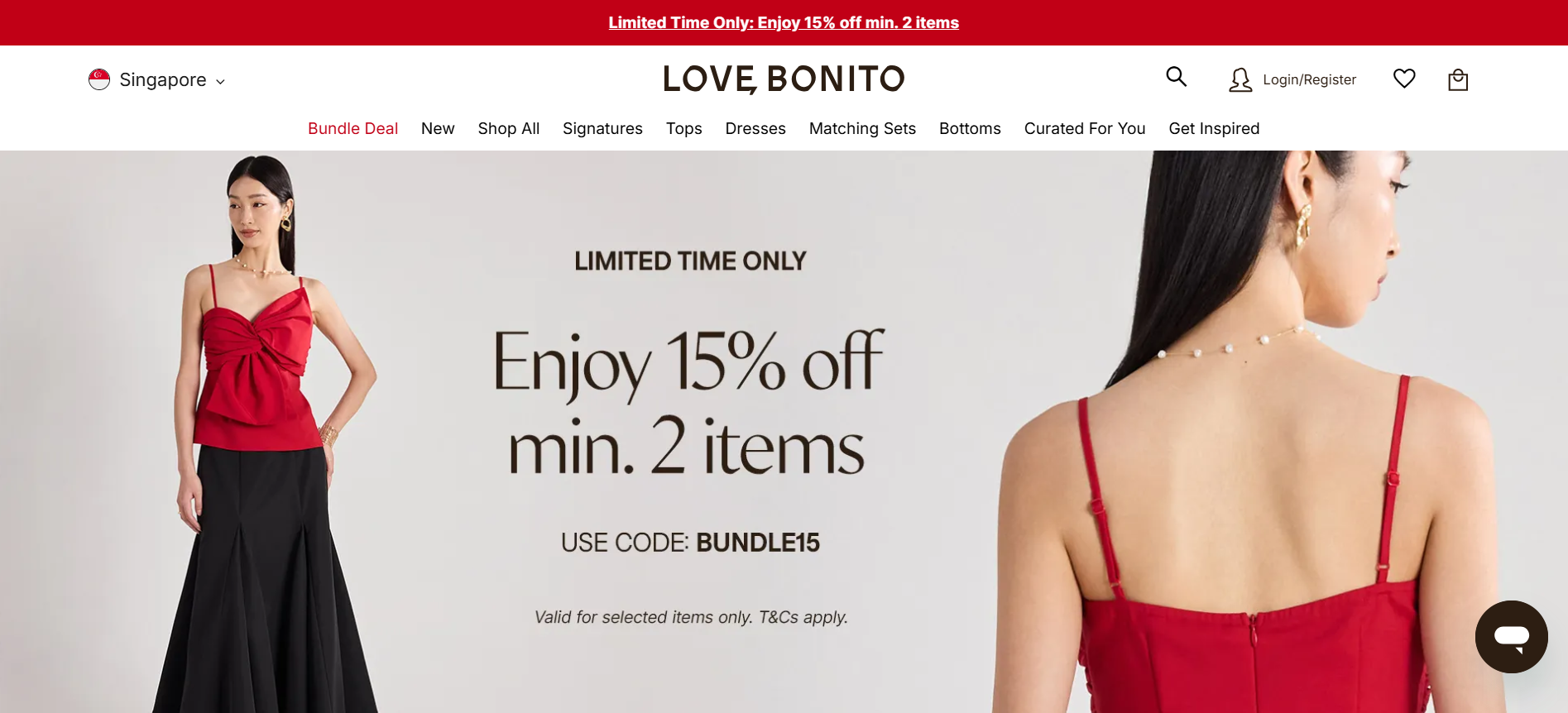
This demonstrates how understanding a particular customer group can become a brand’s point of difference. An SME does not always need to invent a completely new product. It can adapt an existing product to a specific lifestyle, profession, location, or unmet need. For Singapore brands considering Malaysia or Indonesia, the same principle applies: investigate local customer preferences before assuming that a product successful at home will perform equally well overseas.
7 Ways Singapore E-Commerce Brands Can Stand Out
1. Turn an Ordinary Product into a Distinctive Offer
Look beyond the standard version of your product. Could you add useful accessories, personalisation, improved packaging, or a combination of items that solves a more complete customer need? For example, a basic tumbler could become a ready-to-gift office set with a cleaning brush, personalised engraving, and a premium gift box. The offer becomes more specific and useful to its intended buyer.
Before developing a new offer, ask customers what they find inconvenient about existing options. Test a small batch or limited-time bundle before committing to large quantities. Differentiation works best when it solves a real problem, rather than adding features customers do not need.
2. Make Your Product’s Value Obvious Online
Online shoppers cannot physically inspect your products before purchasing. Clear photographs, demonstration videos, accurate dimensions, material details, and practical examples help them understand what they are buying. Instead of uploading several similar product images, show how the product works, what fits inside it, how it is used, or what makes its construction different.
Singapore’s enhanced e-commerce guidelines also highlight the importance of accurate product information and presentation in supporting informed purchasing decisions. Review your product listings from a customer’s perspective. Can someone understand the product’s benefits, limitations, size, and intended use without contacting you for clarification?
3. Own a Specific Customer Need
Trying to appeal to everyone can make your brand difficult to remember. Instead, identify a specific audience and understand its needs, frustrations, and purchasing habits. Consider frequent business travellers, working parents, new homeowners, or professionals looking for comfortable officewear. By developing products around a particular audience, you can offer a more relevant solution and give customers a reason to choose your brand over general alternatives. Research your target customers and adapt your product selection, features, and messaging to address their needs.
For example: Love, Bonito. They built their identity around designing clothing for Asian women. Its founders recognised that many international fashion brands did not adequately address the needs of Asian customers, including fit and lifestyle considerations. By focusing on this audience, Love, Bonito developed a clearer market position and expanded beyond Singapore. For SMEs, the lesson is to understand who your customers are and what existing products may be missing, then use those insights to create a more relevant offer.
4. Build a Brand Customers Can Recognise
A memorable brand creates consistency across packaging, colours, photography, product descriptions, tone of voice, and customer communication. When every product looks unrelated, customers may struggle to recognise your business or understand what it stands for. A cohesive brand identity helps customers connect individual products to a clear promise and builds recognition across different sales channels. Review your online store, packaging, and social media content to ensure they communicate the same identity. Your presentation should reflect the actual quality and value of your products.
Bynd Artisan demonstrates how craftsmanship, heritage, and personalisation can shape a distinctive brand identity. Its approach gives customers a story and experience to associate with its products, rather than leaving them to judge the items by appearance or function alone. SMEs can apply this lesson by developing a recognisable visual identity, using thoughtful packaging, and communicating a consistent brand story across their online store and marketing channels. The goal is to make customers remember what your brand stands for and understand what makes it different.
5. Compete Through Bundles and Purchase Convenience
Customers often need a complete solution rather than a single item. A skincare brand could offer a cleanser, moisturiser, and travel pouch as a beginner’s set. A home organisation seller could combine storage boxes in complementary sizes. These bundles make purchasing easier and give customers a practical reason to choose the offer as a whole.
Calculate the cost of every component, packaging, fulfilment, and applicable platform fees before setting the bundle price. The goal is to create a useful offer that customers understand and the business can deliver profitably. Test different combinations to discover which products are most frequently purchased together.
6. Give Customers a Reason to Return
Acquiring a customer is only part of the job. Helpful product instructions, responsive support, clear return policies, replenishment reminders, and relevant loyalty rewards can encourage repeat purchases. For example, a coffee brand could provide brewing guidance after purchase and send a timely reminder when customers may be running low.
Pay attention to customer feedback, repeat-order rates, common complaints, and reasons for returns. These signals can reveal opportunities to improve products and services. A thoughtful post-purchase experience can also generate recommendations and reviews, helping future customers feel more confident about buying from your brand.

7. Find New Customer Segments and Markets
Your current audience may not be the only group interested in your product. A Singapore lifestyle brand could test demand among Malaysian consumers or explore whether a product suits a different customer segment. However, regional expansion requires more than translating a product listing. Pricing, competition, fulfilment, customer expectations, and local relevance all need consideration.
Start with a controlled market test. Select a small group of products, research the target audience, adapt your presentation, and monitor enquiries, conversion rates, delivery costs, returns, and contribution margins. Use the results to decide whether to refine the offer, continue testing, or scale. Cross-border e-commerce becomes more manageable when decisions are based on evidence rather than assumptions.
Build a Brand Customers Have a Reason to Choose
Building a distinctive brand takes more than an attractive logo or a competitive product. Businesses need to understand their target customers, communicate their value clearly, and present their products consistently across sales channels. Laxla supports businesses through branding and marketing expertise, e-commerce store aggregation, cross-border solutions, and business network mediation, helping them explore practical ways to strengthen their market position and reach customers across ASEAN.
Whether you are improving product presentation, exploring new customer segments, or preparing to sell in Malaysia, Indonesia, or Thailand, Laxla can help you consider the different elements involved in growing your e-commerce business. The right approach depends on your product, target market, available resources, and business goals.
Ready to explore your next growth opportunity? Comment “STAND OUT” and tell us what your business sells and which challenge you are facing. We would love to hear your ideas and discuss how you could strengthen your brand and explore opportunities across ASEAN.
Q&A: How Can Singapore E-Commerce Brands Stand Out?
1. How can a small Singapore business compete with cheaper online sellers?
Start by identifying what your customers value beyond price. Improve product usefulness, presentation, specialisation, convenience, or service, then communicate those benefits clearly. Track customer feedback and sales performance to see which differences actually influence purchasing decisions.
2. Does product differentiation mean I need to invent a new product?
No. Differentiation can come from adapting an existing product for a particular audience, offering useful bundles, improving packaging, providing personalisation, or delivering a better buying experience. The important part is giving customers a meaningful reason to choose your offer.
3. How can packaging and branding help an e-commerce business?
Packaging and branding shape first impressions, communicate product identity, and help customers recognise your business. They are most effective when they reflect genuine product value and suit your target audience. Attractive packaging alone cannot compensate for poor quality or an offer customers do not need.
4. How can Singapore SMEs test whether their products will sell in Malaysia or other ASEAN markets?
Research local competitors and customer needs, review pricing and fulfilment costs, and launch a limited pilot with selected products. Monitor demand, conversion, returns, customer feedback, and margins before increasing inventory or committing to larger investments.
5. How can Laxla help businesses differentiate and expand across ASEAN?
Laxla supports businesses with e-commerce store aggregation, cross-border solutions, branding and marketing expertise, and business network mediation. Depending on the business’s needs, these capabilities can help improve product presentation, coordinate regional selling activities, and explore opportunities in ASEAN markets. Businesses should first identify their specific challenges and readiness before deciding which services they need.