
No Warehouse No Problem: How Singapore SMEs Expand Across ASEAN Easily
Expanding your store without a physical store? Not a problem. Cross-border e-commerce can help with that.
Today, cross-border e-commerce is changing how expansion works.
In 2024, Southeast Asia’s cross-border e-commerce market reached an estimated $17 billion, contributing to more than 11% of total online sales in the region. At the same time, consumer behavior is shifting. In countries like Singapore and Thailand, more than 70% of online shoppers are already comfortable buying from overseas sellers. This means the demand is already there. The real question is no longer whether you can sell across borders, but how easily you can do it.

Now, you no longer need a warehouse or physical store in every country. With the right system and support, ASEAN SMEs can sell within the region. SMEs can sell from Singapore to Indonesia, or from Indonesia to Malaysia, without building separate operations. What used to be complex is now becoming practical. The businesses that understand this shift early are the ones that grow faster across ASEAN.
How Cross-Border Systems Like JCEX8 Reflect What Laxla Offers
One way to understand how cross-border e-commerce has become easier is by looking at how logistics systems have evolved. Companies like JCEX8 from China have spent years building integrated solutions that combine warehousing, transportation, customs coordination, and delivery into one structured flow. This reflects a larger industry transformation where cross-border operations are no longer fragmented across multiple vendors
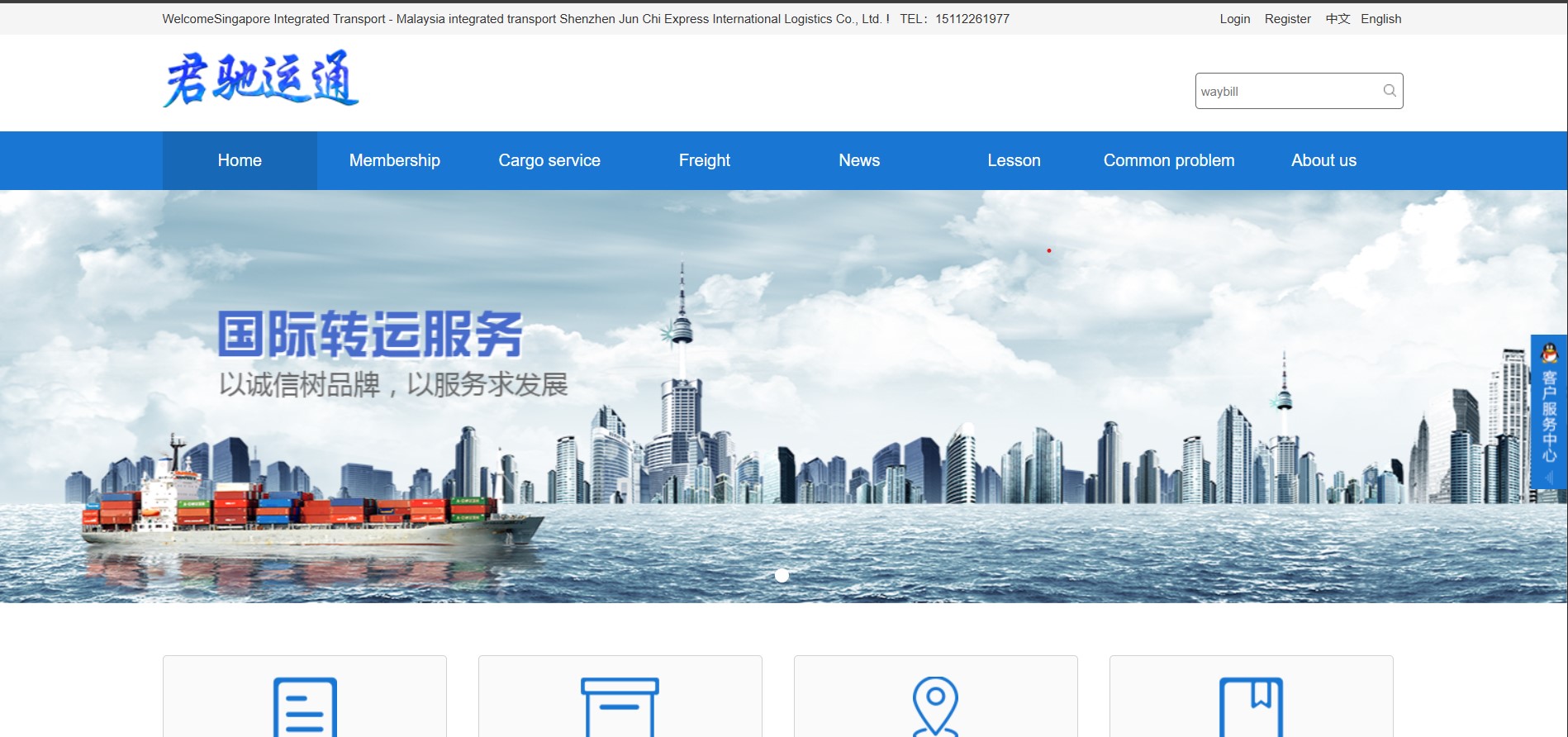
In the past, SMEs had to coordinate with different partners just to sell in another country. One handled shipping, another handled storage, and another handled delivery. This created delays, confusion, and higher costs. Many businesses had strong products but could not expand because managing the backend was too overwhelming. Today, systems like these show that cross-border logistics can be centralized, tracked, and executed more efficiently.

Laxla follows a similar cross-border approach within ASEAN. Sellers can rely on Laxla without needing to manage multiple logistics vendors on their own. Instead, they benefit from a coordinated system that supports product movement across countries such as Singapore, Malaysia, Indonesia, and Thailand. More importantly, Laxla goes beyond logistics by focusing on what truly drives results. We help improve product presentation through repackaging and packaging design, optimize listings on Shopee and Lazada, and support regional promotion. As logistics becomes easier, the real challenge shifts to product quality, brand positioning, and how well you connect with your target customers.
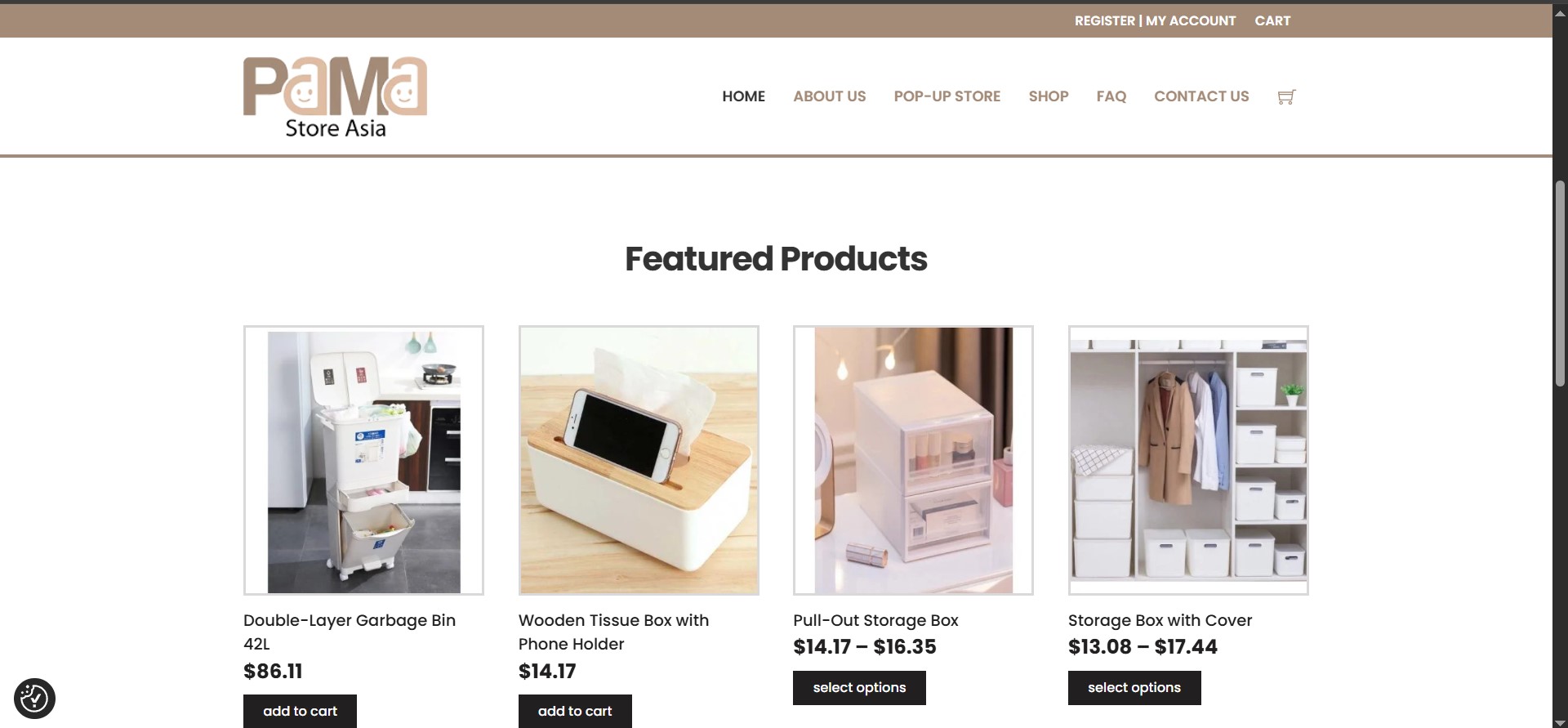
Case Study: How Pamashop Expanded Beyond Singapore
Pamashop started as a Singapore-based brand offering practical and affordable household products designed to improve everyday life. Their goal was simple. Make shopping easier and more accessible for everyone, from young families to elderly users.
As demand grew, Pamashop wanted to expand into markets like Malaysia and Indonesia. However, they faced common challenges such as managing logistics, handling multiple platforms, and adapting to different customer expectations. Trying to manage everything while maintaining a consistent brand experience quickly became overwhelming.
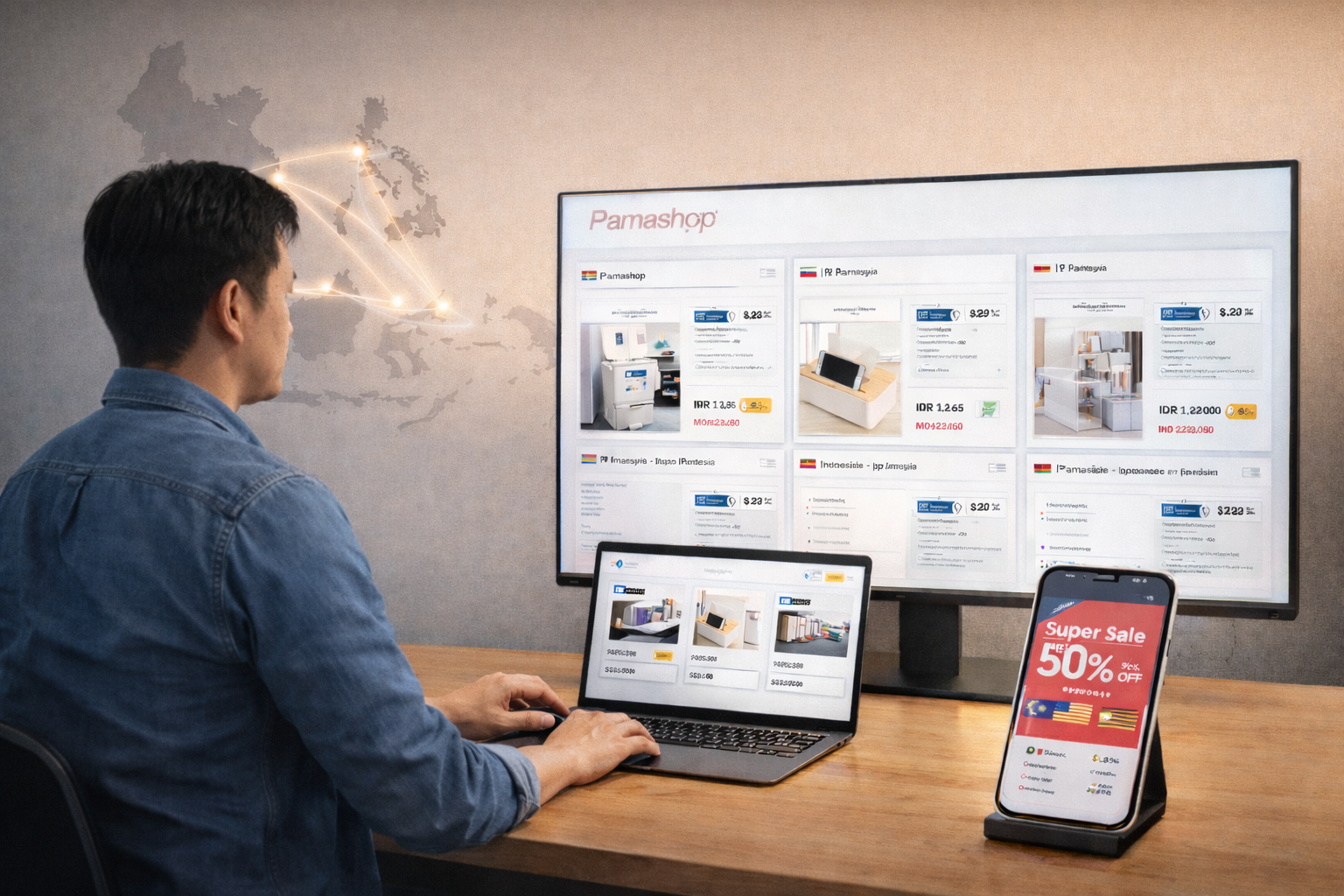
With Laxla’s cross-border support, Pamashop simplified the process. Their products were optimized for the marketplace, packaging was improved to increase perceived value, and regional promotion helped boost visibility. As a result, they expanded into new markets, increased sales steadily, and were able to focus on improving their products instead of managing operations.
Closing
The systems are in place. Consumers are ready. Logistics is no longer the biggest barrier. The real challenge now is different. It is about whether your product can compete, how your brand is positioned, and how well you connect with customers across different markets.
Many SMEs are still holding back because they think expansion requires more resources, more people, and more infrastructure. In reality, the opposite is happening. With the right support, expansion can become simpler, more focused, and more efficient.
Laxla is built for this new reality. By combining cross-border coordination with product optimization, marketplace strategy, and regional promotion, we help SMEs grow across ASEAN without the usual complexity. You do not need a warehouse in every country. You need a system that works.
And when that system is in place, growth stops feeling heavy and starts becoming scalable.